
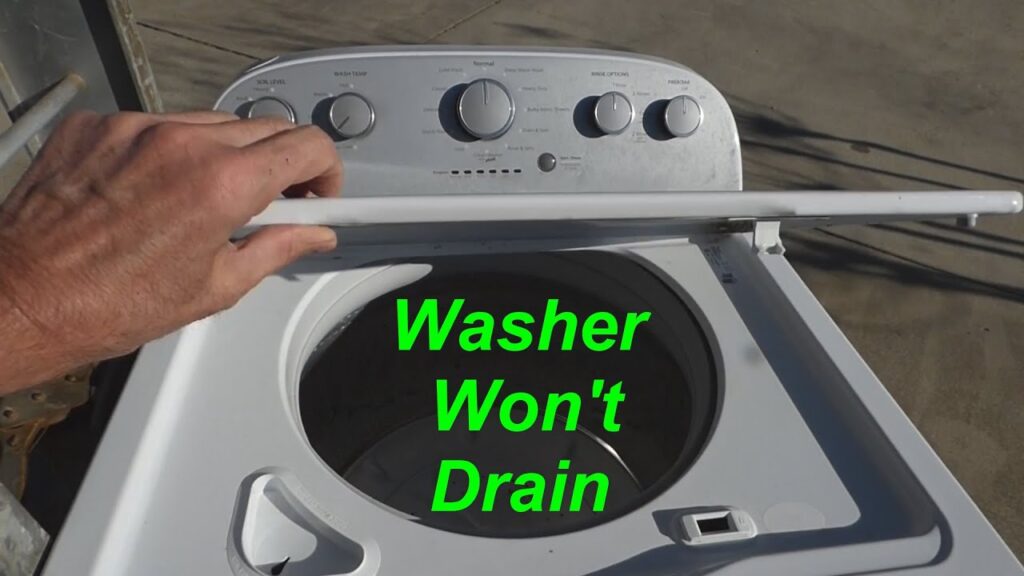
When your washing machine won’t drain and there’s water left in the drum, you don’t always need a new appliance. In many cases, the issue is a simple clog or installation problem you can fix yourself.
Below is a clear, step-by-step guide to help you safely troubleshoot the problem.
1. Safety First
Before you touch anything:
- Unplug the washer from the outlet.
- Turn off the water supply valves (usually behind the machine).
- If the drum is full, scoop water into a bucket with a small container or use a wet/dry vacuum if you have one.
Never work on a washer that’s still connected to power.
2. Confirm the Problem
Typical signs your washer is not draining:
- Water remains in the drum after the cycle
- Clothes come out soaking wet
- The cycle stops and the washer displays a drain or pump error code
- You hear the motor run, but no water leaves the machine
If any of these sound familiar, move through the steps below.
3. Check for a Simple Reset
Sometimes the control board glitches.
- Unplug the machine for 1–2 minutes.
- Plug it back in.
- Run a “Spin” or “Drain & Spin” cycle with an empty drum.
If the water drains normally now, the problem may have been a temporary control error.
4. Inspect the Drain Hose
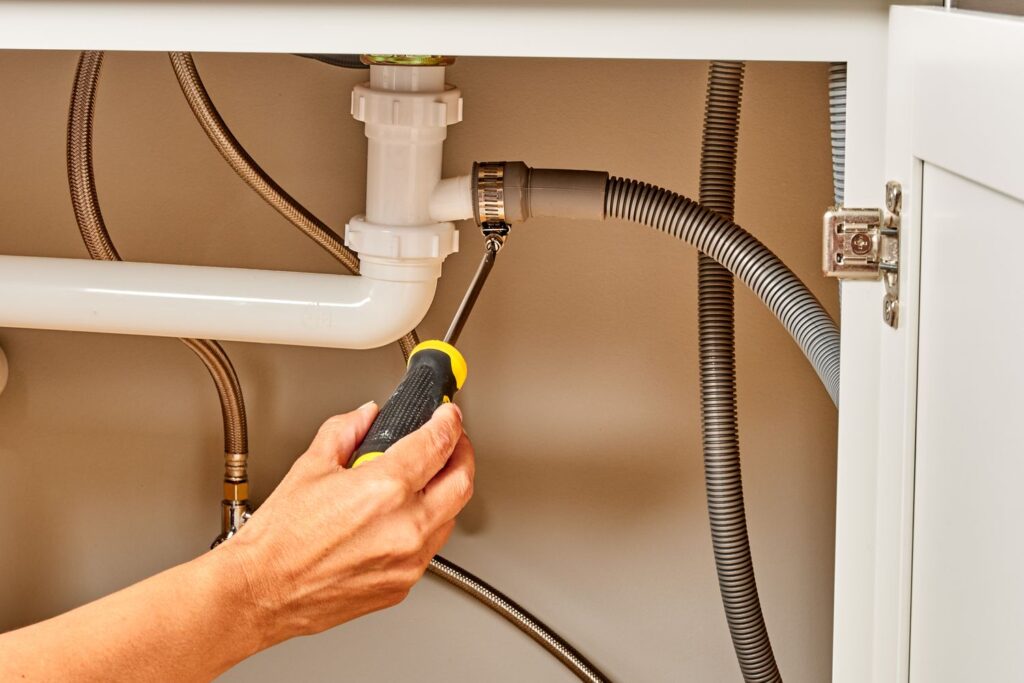
A blocked or kinked drain hose is one of the most common reasons a washer won’t drain.
- Pull the washer slightly away from the wall.
- Locate the drain hose (usually a corrugated hose leading to a standpipe, wall drain, or sink).
- Check for:
- Kinks or sharp bends
- Crushed sections from the washer pushed too close to the wall
- Visible leaks or cracks
Straighten any kinks and ensure the hose has a smooth, downward path to the drain.
If the hose is badly damaged or clogged solid with lint or debris, it may need replacement.
5. Clean the Drain Pump Filter (Front-Load Washers)
Front-load machines typically have a small access panel for the pump filter.
- Find the lower front access door (often at the bottom-right).
- Place a shallow tray and towels under the panel—water will come out.
- Open the panel and unscrew or pull out the pump filter cap slowly.
- Let water drain into the tray.
- Remove and clean:
- Coins
- Buttons
- Lint, hair, small clothing labels
- Rinse the filter under running water and reinstall it securely.
After reassembling, run a quick drain or spin cycle. If the washer now drains, the clog was in the filter.
6. Check the Coin Trap / Debris Trap (If Equipped)
Some top-load and certain front-load washers have a coin trap or debris trap before the pump.
- Access is usually through the back or bottom of the machine.
- With the washer unplugged, remove the rear or bottom panel.
- Locate the small housing before the pump, open it, and clean out any debris.
If you’re not comfortable removing panels, skip this step and go straight to the “Call a Professional” section.
7. Inspect the Household Drain (Standpipe or Sink)
If the washing machine drains slowly or water backs up into the sink or overflows from the standpipe, the issue may be your home plumbing, not the washer.
- Make sure the standpipe is not blocked with lint or debris.
- Check that the drain hose is not sealed airtight into the standpipe (it needs air to prevent siphoning and backups).
- If the household drain is slow, consider a plumber or drain cleaning service.
8. Reduce the Load and Re-Run Spin
An overloaded or unbalanced drum can prevent proper draining and spinning.
- Remove some items if the load is very heavy (e.g., multiple towels, blankets, or jeans).
- Redistribute the clothes evenly around the drum.
- Run a Spin or Drain & Spin cycle.
If the machine now spins and drains, the main issue was overloading or imbalance.
9. Basic Door Lock / Lid Switch Check

Modern washers won’t drain or spin if they think the door or lid is open.
- Make sure the door is closing fully and you hear it latch.
- Check for visible damage to the door lock or latch area.
- On top-loaders, gently press on the lid during spin to see if the cycle resumes (do not force it).
If the washer only works when you press on the lid, the lid switch may be failing and needs professional attention.
10. When to Call a Professional
Stop DIY and call a technician if:
- The washer still won’t drain after hose and filter checks
- You hear buzzing, grinding, or burning smells from the pump area
- The machine shows repeated error codes even after a reset
- You’re uncomfortable removing panels or working near wiring
A qualified appliance repair specialist can test the drain pump, door lock, wiring, and control board safely.
If you also need washer repair or help with any other appliance, it’s usually more efficient to handle multiple issues in a single service visit.
11. Preventing Future Drain Problems
To reduce the chances of water left in the drum:
- Empty pockets before washing
- Use high-efficiency (HE) detergent and correct dose
- Run a maintenance wash (hot cycle without clothes) monthly
- Clean the pump filter every few months (for front-loaders)
- Avoid overloading the drum
These simple habits keep your washer’s drain system clear and extend its life.