

Your fridge sounds alive — humming away like it’s doing its job — but you reach in for a cold drink and… nothing. Warm milk, soft butter, and wilting veggies. If your fridge runs but doesn’t cool, it’s not just annoying — it could be a sign of something seriously wrong inside the system.
First Clue: The Compressor is Running, But Not Cooling
When the compressor is running but not cooling, it means the power is there, but the cooling process is stuck. This often points to:
- Dirty condenser coils
- Failing evaporator fan
- Faulty start relay
- Low refrigerant or a leak
The compressor might be doing its part, but if the airflow is blocked or the coils are caked in dust, your fridge won’t stay cold.
Common Fridge Problems and Solutions
Let’s break down some of the most common fridge problems and solutions:
- Blocked vents: If air can’t circulate, the cold stays trapped. Check for obstructions in both the fridge and freezer.
- Thermostat issues: A broken thermostat may not tell your system to cool down. Try adjusting the temperature — if nothing changes, it might need replacing.
- Defrost system failure: Ice buildup on the coils can block airflow. Look for frost in the freezer — that’s your clue.
- Fan motor malfunction: No fan = no cold air distribution. A clicking or humming noise might give this one away.
How to Fix a Refrigerator That’s Not Cooling
If you’ve already cleaned the coils and checked the fans, but your refrigerator is not cooling properly, here are more things you can do — no special tools or advanced skills required.
1. Check for Frost Buildup Behind the Back Panel
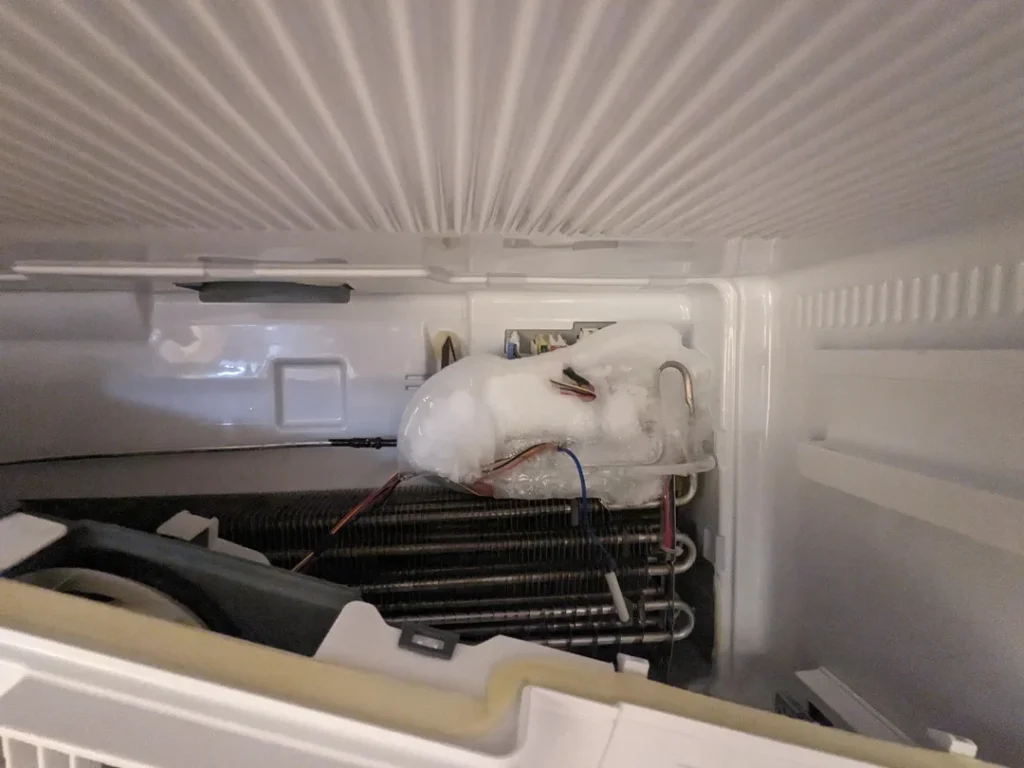
Remove the back panel inside the freezer compartment. If you see a thick layer of ice, your defrost system might be the culprit. Temporarily fix it by defrosting manually (unplug the fridge for 24 hours), but long term you’ll need to test the:
- Defrost timer
- Defrost heater
- Defrost thermostat
Any one of these failing can cause the fridge to run but not cool efficiently.
2. Test the Door Switch
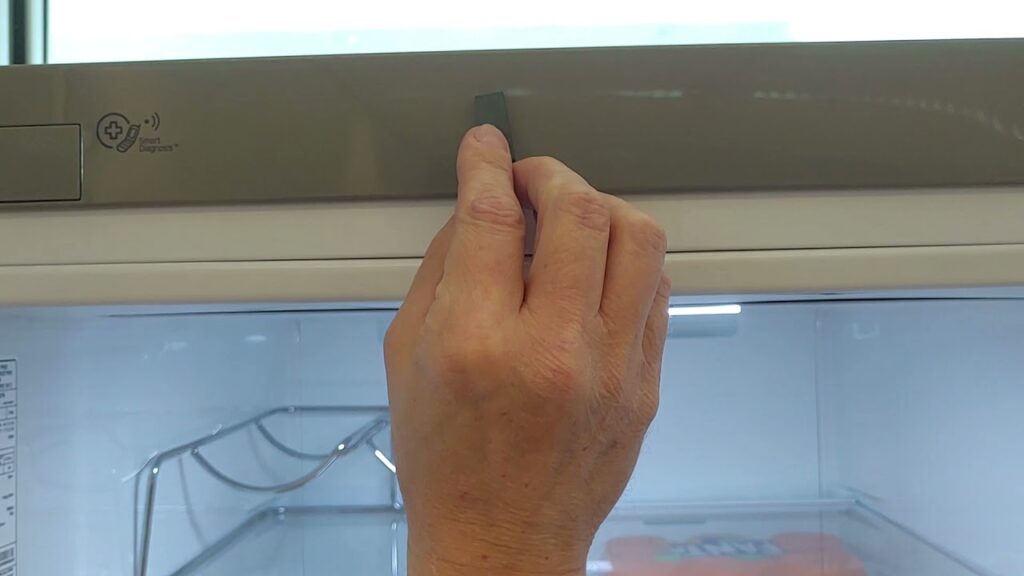
Open the fridge door — does the light turn on? If not, the door switch may be faulty, which can affect fan operation or defrost cycles. You can test it with a multimeter, or even press it manually to see if the internal fan kicks in.
3. Level the Fridge
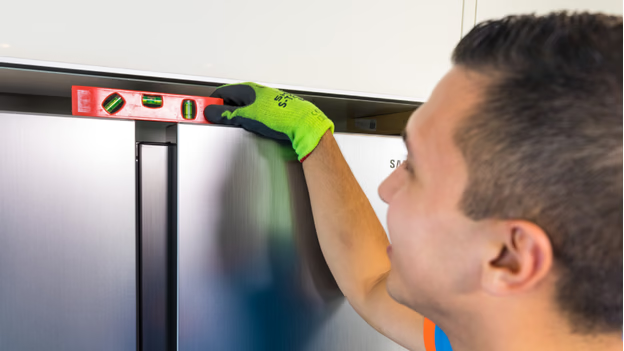
Sounds odd, but a fridge that isn’t level can mess with the door seal and internal airflow. Use a spirit level to check the front-to-back tilt. A slight backward lean helps the doors close properly and seals the cold air inside.
4. Move the Fridge Away from the Wall
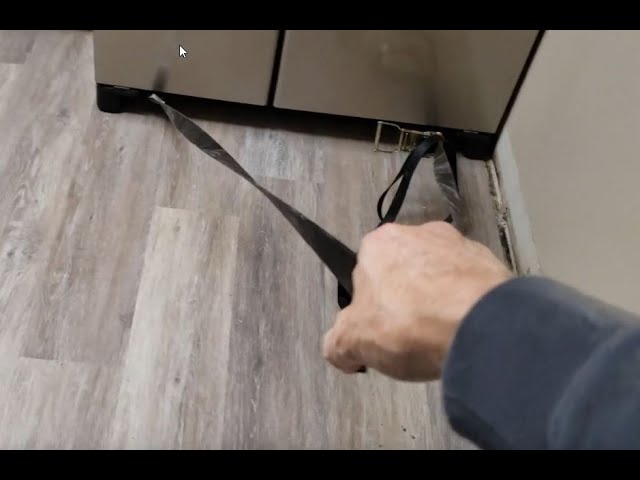
Your fridge needs breathing room — especially the condenser coils. Make sure there are at least 2–3 inches between the back of the fridge and the wall. Poor ventilation means heat can’t escape, which means your compressor might run but not cool anything.
5. Check Temperature Settings
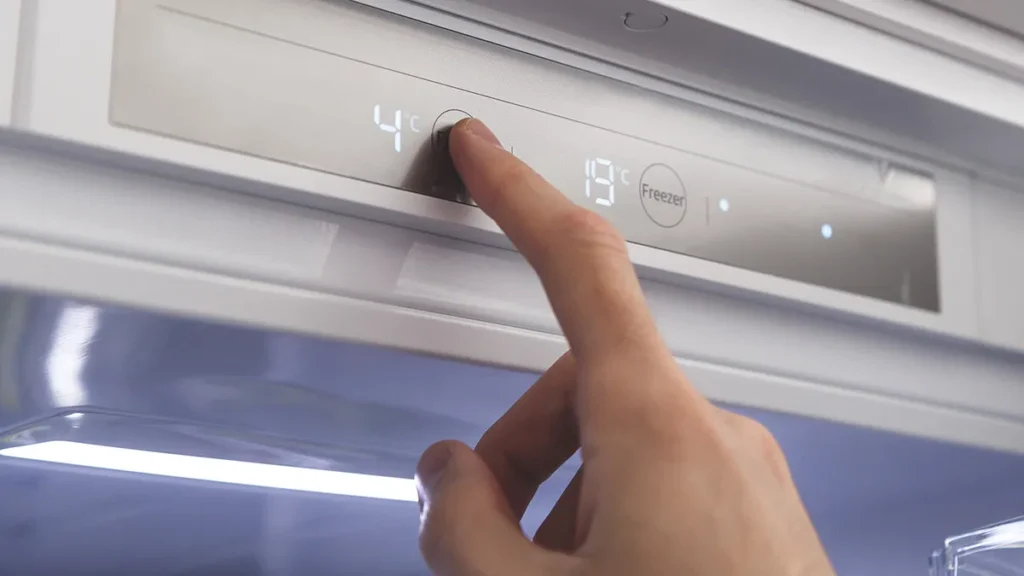
Sounds basic, but sometimes the dial gets bumped. Make sure the fridge is set to 37–40°F (3–4°C), and the freezer at 0°F (-18°C). If it’s much higher, it might explain the sudden rise in temperature.
Don’t Ignore the Signs
It’s easy to put off repairs when the fridge still sounds like it’s running. But if your fridge runs but doesn’t cool, it’s not just using energy for nothing — it’s slowly inching toward a total breakdown. Catching the problem early can save your groceries and your wallet.